






Did you know mosquitoes are the world’s deadliest animal? Despite their tiny size, these insects cause more death and disease than any other animal on the plant. Today, they continue to have an enormous impact, threatening billions globally and transmitting diseases including malaria, dengue, chikungunya, Zika and many others. Every year on August 20, the world marks World Mosquito Day, commemorating British doctor Sir Ronald Ross’s discovery of the malaria parasite in a mosquito on August 20, 1897. The day creates the opportunity to raise further awareness of the threats posed by the world’s deadliest creature and the efforts to prevent mosquito-borne diseases.
Over 3,700 different types of mosquitoes can be found worldwide, each with its own specific biting behavior. While you can be bitten at any time of the day, each species tends to be most active at certain times. The peak biting activity of Anopheles mosquitoes, mosquitoes that most commonly carry the malaria parasite, tends to be during the evening or night, whereas the Aedes mosquito, which carries Zika, yellow fever, dengue, and chikungunya, is known for being most active around dawn and dusk.
Understanding when mosquitoes are most active can help communities take precautions and reduce risks of mosquito-borne diseases globally.
Mosquitoes are not only a persistent global health threat, they are also expanding into new environments, creating new challenges for malaria prevention efforts. One example is Anopheles stephensi, an invasive malaria mosquito previously found in only in parts of South Asia and the Middle East that was first detected in Djibouti in 2012. Since then, it has spread across the Horn of Africa, Kenya, and Yemen, with occasional detections in West Africa.
Unlike many malaria-transmitting mosquitoes that thrive in rural environments during rainy seasons, Anopheles stephensi is well adapted to urban areas. It can breed in small collections of water around homes and is less restricted by dry season.
Before Anopheles stephensi was detected in Djibouti, the country was close to eliminating malaria. In 2012, there were only 27 reported cases. A year after the mosquito was detected, cases rose to nearly 1,700, and by 2020, they had surpassed 70,000. Its spread highlights the importance of continued advocacy and investment in global health.
But we are not powerless against these threats. Preventing mosquito-borne diseases required a combination of tools, from vaccines and insecticide-treated bed nets to new species awareness, to eliminating breading sites and educating communities about when and where mosquitoes are most active. As mosquito populations change, continuing to invest in prevention will be essential to protecting both local and the wider global community.
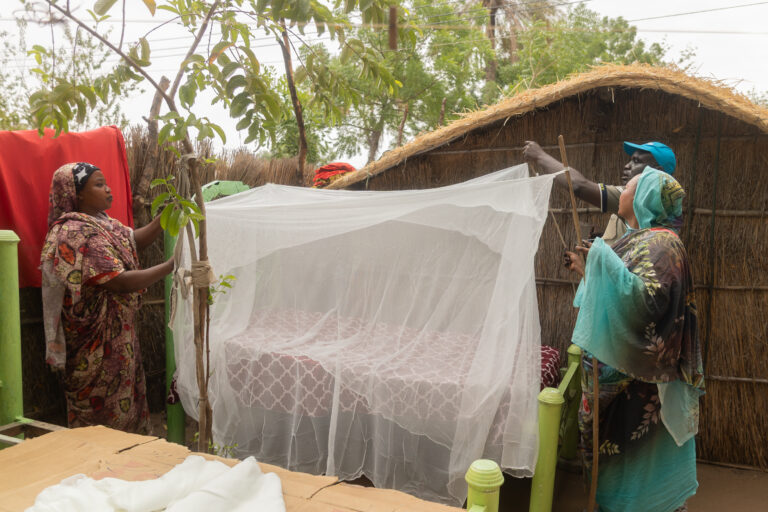
Protecting communities form mosquito-borne diseases demands more than individual action. It also requires sustained investment, strong health systems, collaboration, and intentional efforts to reach the people most at risk.
Through United to Beat Malaria, we work alongside communities and partners to expand access to proven malaria prevention tools, advocate for continued investment in the fight against malaria and help protect communities from this preventable disease. Every bed net deployed and community equipped with the information and resources they need can help prevent mosquito-borne infections and save lives.
World Mosquito Day is a reminder that even the smallest creatures can have an enormous impact on our health. However, it is also a reminder of what is possible when communities, governments, researchers and global health organizations work together. By Investing in research, prevention, innovation and community-led solutions, we can continue making progress toward a world free from malaria and other mosquito borne diseases.
© United to Beat Malaria. 2026 • Save Lives, Beat Malaria
A campaign of the